
Lesson
You Are the Product
Summary
Free apps aren't actually free; you're the one paying, just not with money. This lesson unpacks how apps profit from user data and turn attention into advertising dollars.
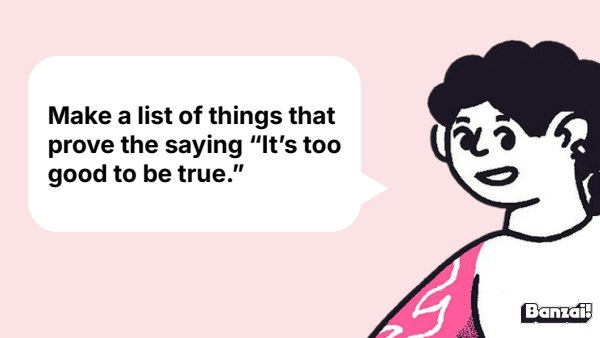
Bellringer: Too Good to Be True
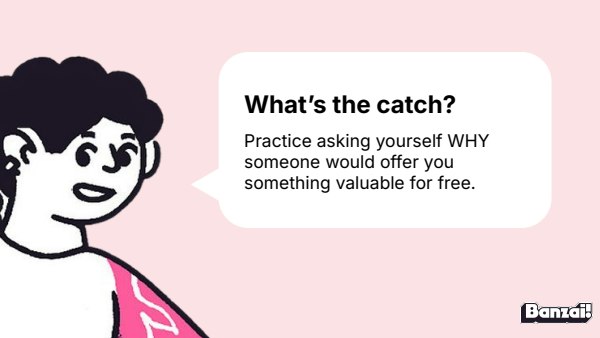
- Students list examples of offers that seemed amazing but had a hidden catch
- Cold-call a few students to share real-life examples before moving to discussion
Instruction
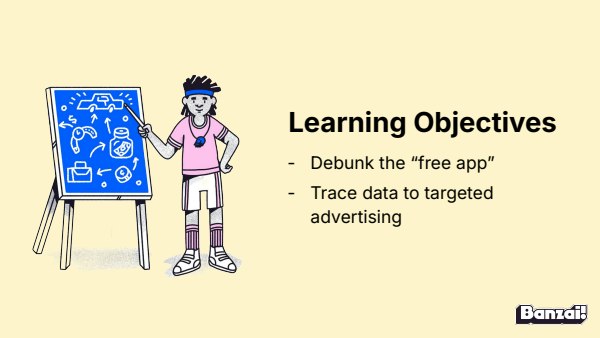
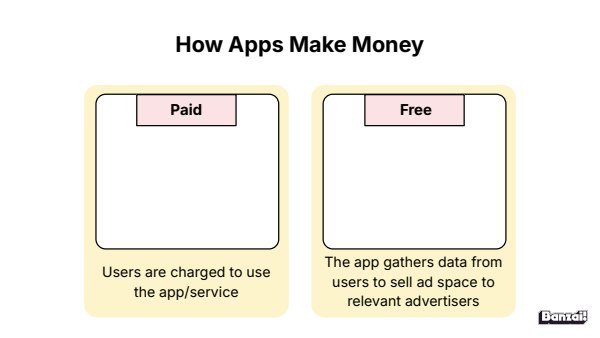
- Walk through how free apps monetize user data instead of charging money
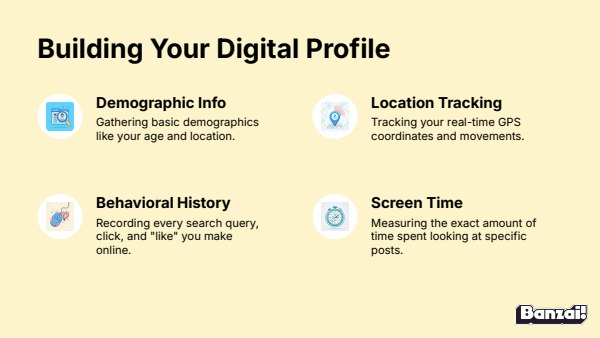
- Introduce the four categories of data apps collect and how brokers package it
- Explain targeted advertising and the "Attention Economy" using the sports brand example
Discussion: Tracing the Data Flowchart
- Model the 4-step data flowchart using a real or provided student example
- Have students pitch their own version using an app they use regularly
Activity: Digital Footprint Game
- Students finish the Digital Footprint game, tracking a suspect's data trail while protecting their own
- Circulate to help students reason through scanner-to-website matches
Wrap-Up & Assessment
- Describe "The Attention Economy."
- List 3 pieces of your information that a company might want to know about you and why.
| Est. Time | Activity | Description |
|---|---|---|
| 5 min | Bellringer: Too Good to Be True |
|
| 10 min | Instruction |
|
| 8 min | Discussion: Tracing the Data Flowchart |
|
| 17 min | Activity: Digital Footprint Game |
|
| 5 min | Wrap-Up & Assessment |
|
Lesson Prep

Digital Footprint
Students learn how websites track personal data through cookies and browsing behavior.
Class Presentation
Includes a 17-slide deck with teacher notes. Present from Banzai, download a PDF, or copy it to Google Slides.


Presentations, Ready to Go
- Built-in PresentationPresent full screen, straight from Banzai
- Copy to Google SlidesMake an editable copy for your class
- Download or PrintSave as a PDF or print
- Teacher NotesSlide-by-slide guidance, printable as one handout
Unit 3: Digital Footprint

How You're Tracked
Every click, search, and scroll leaves a trail that companies are quietly following. Explore the tools websites use to track browsing habits and meet the data brokers who profit from that information.
You Are the Product
Free apps aren't actually free; you're the one paying, just not with money. This lesson unpacks how apps profit from user data and turn attention into advertising dollars.

Taking Back What You Can
Deleting a post doesn't actually delete it—screenshots, backups, and app permissions keep your data alive long after you hit that button. This lesson unpacks how app permissions work, why some access is necessary and some is exploitative, and how students can audit and lock down their own devices.
How do Banzai lesson plans work? See the FAQ.